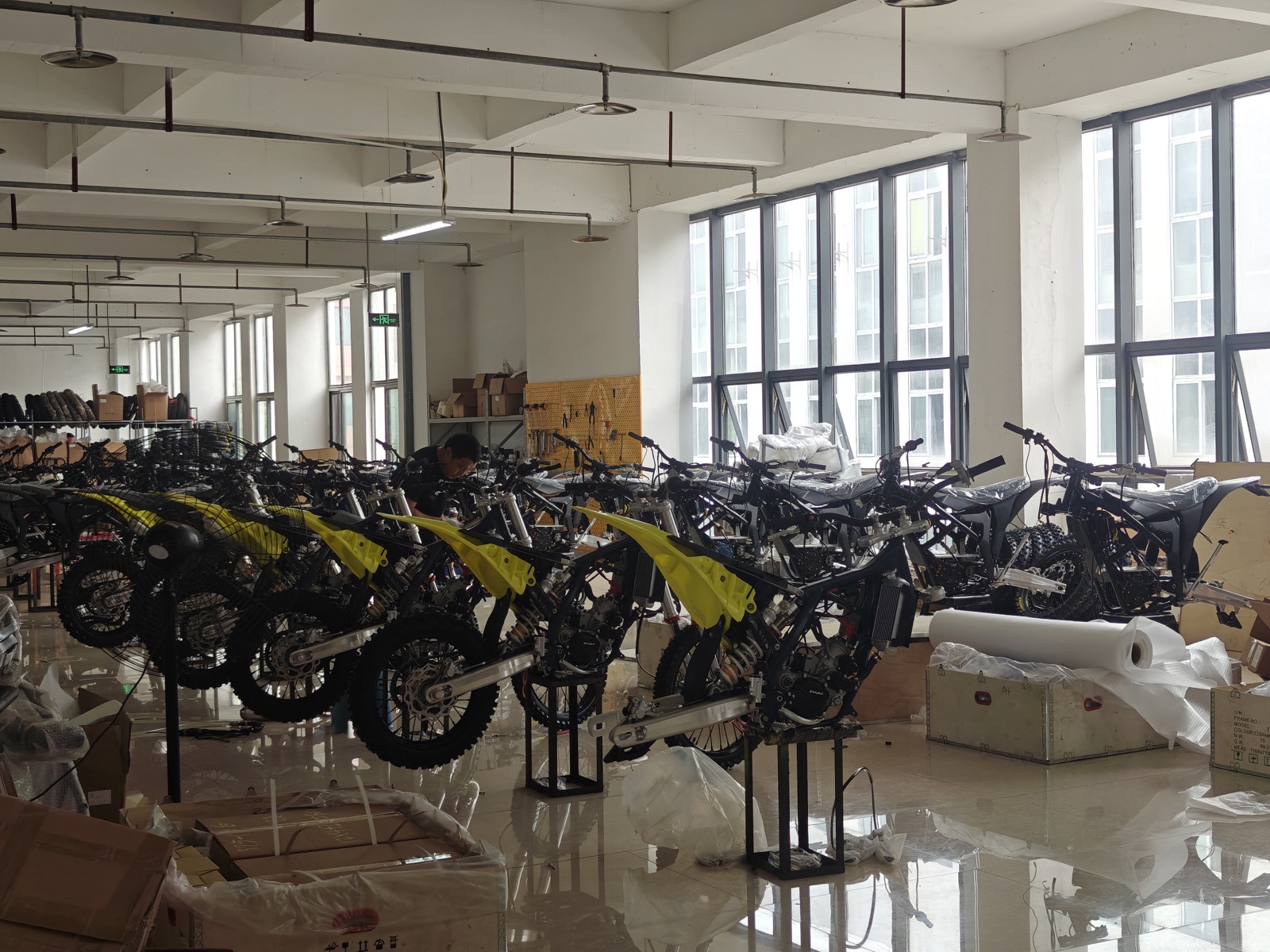
The profit margins of complete built-up vehicle (CBU) exports are being squeezed from both sides by cross-border logistics and destination-country tariffs. Off-road two-wheelers are bulky and have stringent packaging requirements; high ocean freight costs and the hefty tariffs levied on complete vehicles in some markets directly push up the end retail price and erode distributors’ profitability. The CKD (completely knocked-down) model has begun to emerge as a key option in cross-border supply chain restructuring. Under this model, vehicles are disassembled into knocked-down parts for shipment and assembled in the destination country, fundamentally changing the cost structure of exports.
Explicit Cost Reductions: Tariff Benefits and Space Utilization
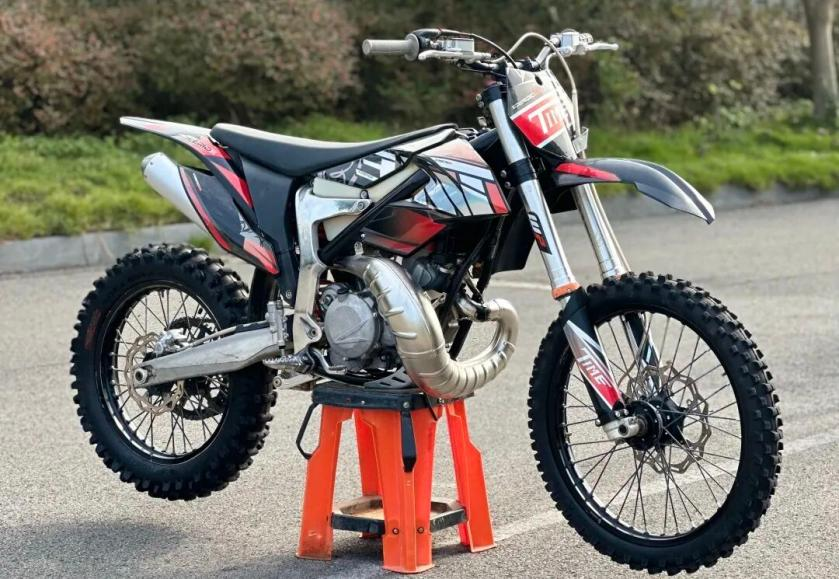
The most direct manifestation of the CKD model reshaping the cost structure is the avoidance of tariff barriers and the dilution of logistics costs. Some Latin American and Southeast Asian countries impose heavy taxes on imported complete vehicles, while applying lower rates or even zero tariffs to knocked-down parts. The tariff differential in between translates directly into distributors’ gross margin. Optimization in ocean freight is equally significant: after removing outer packaging and some assembly structures, the loading capacity of a container of the same volume can be doubled, and the ocean freight allocated to each vehicle drops substantially.
Hidden Cost Traps: Compliance Gaps and Assembly Quality Control

CKD is not simply “shipping parts for self-assembly.” Shipping in knocked-down form means a change in product form, which can easily trigger compliance gaps. The most typical barrier appears with electric off-road models: a complete vehicle shipped with its battery falls under UN3481 certification, whereas a bare battery pack shipped separately must comply with UN3480 regulations. If distributors assemble the vehicle themselves in the destination country, the original battery transport certification may become invalid. For fuel-powered models, emission control components are highly susceptible to damage in knocked-down form; if consistency after assembly cannot be guaranteed, this will directly affect destination-country market access.
The technical threshold of the assembly stage also eats into profits. The frame rigidity, suspension tuning and electronic control matching of off-road two-wheelers require specialized processes. Without factory-level torque standards and pre-delivery inspection procedures, relying solely on local technicians for assembly can easily lead to batch quality defects. High rework costs and after-sales claims will completely offset the tariff benefits at the front end.
TAIMU MOTO’s Support System: Standardized Knocked-Down Parts and Upfront Compliance
To address the hidden risks of the CKD model, the source factory must possess strong engineering output capabilities. Chongqing off-road brand TAIMU MOTO has accumulated mature standardization experience in chassis and powertrain, providing an engineering foundation for distributors to implement CKD.
On the compliance side, TAIMU moves certification work upstream. For customized battery PACKs, the factory separately sends them to third-party laboratories to complete the full set of UN38.3 tests, ensuring that dangerous goods transport in knocked-down form is fully compliant. On the technical output side, what is shipped is not only knocked-down parts but also standardized assembly work instructions and torque specifications; together with remote technical support, these ensure that local assembly processes stay in sync with the factory production line.
Supply Chain Collaboration and Transfer of Race-Level Quality Control
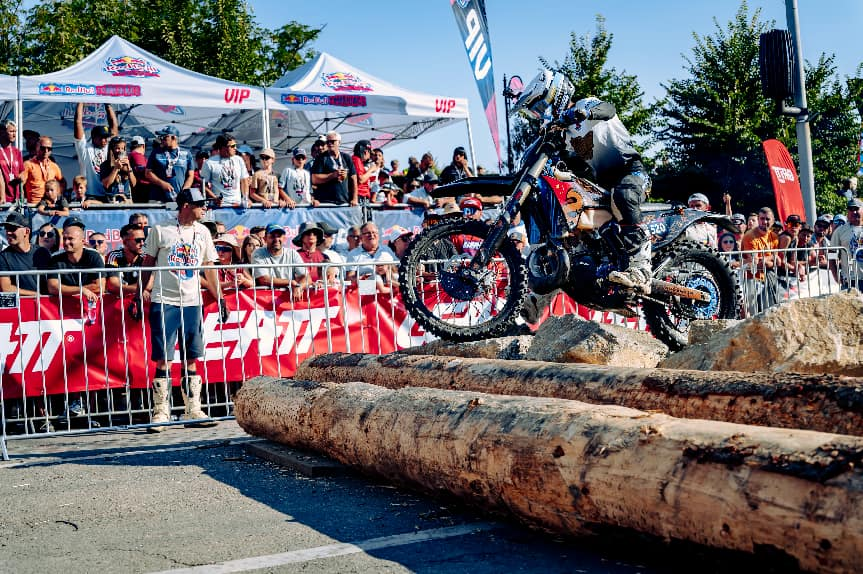
Reshaping the cost structure also relies on a flexible shipping mechanism. TAIMU supports mixed shipments of different models, allowing distributors to load high-frequency wear parts, custom-model knocked-down parts and standard parts into the same container, reducing the trial-and-error cost of the first order. More importantly, the underlying quality control is transferred. In July this year, TAIMU’s factory production model S300R competed in the Red Bull Romaniacs hard enduro; post-race defect data was fed directly back into the production line, resulting in structural reinforcement and EFI upgrades. This chassis data and quality control standard, validated under extreme conditions, form the quality foundation of CKD knocked-down parts. The Royal Malaysia Police’s bulk purchase of its police off-road vehicles verified the delivery stability of this system in complex scenarios.
CKD localized assembly is not merely a cost shift but a deep test of a factory’s supply chain management and engineering delivery capabilities. Reshaping the cost structure of off-road two-wheeler exports ultimately depends on the source factory’s systematic support in upfront compliance, process output and underlying quality control. Manufacturers with full-chain engineering capabilities are taking a leading position in this round of supply chain restructuring.