
Since January 2025, Euro 5+ has fully taken effect for newly registered motorcycles in the EU. One fact that is easily misread: Euro 5+ does not further lower emissions limits; the emissions test cycle and limit figures are essentially on par with Euro 5. The real change lies in the verification method—catalyst durability must be proven with 35,000 km of real-vehicle or bench data, and the OBD system must monitor catalyst efficiency over the full lifecycle. This means a bike that passes in a “fresh state” in the lab no longer equals a bike that remains compliant after three years in a user’s hands.
For off-road motorcycle brands, the impact of this shift is especially direct. Off-road conditions involve large load fluctuations and harsh intake environments, and catalysts and oxygen sensors degrade far faster in real use than on road models. The durability proof required by Euro 5+ essentially requires factories to incorporate the service life of the emissions after-treatment system into engineering parameters at the product definition stage, rather than making temporary calibrations before submitting a prototype for testing. Compliance cost has shifted from “one-time certification expenditure” to “engineering investment spanning the development cycle.” Supply chain screening logic: from “who has the certificate” to “who did compliance work at the engineering stage”
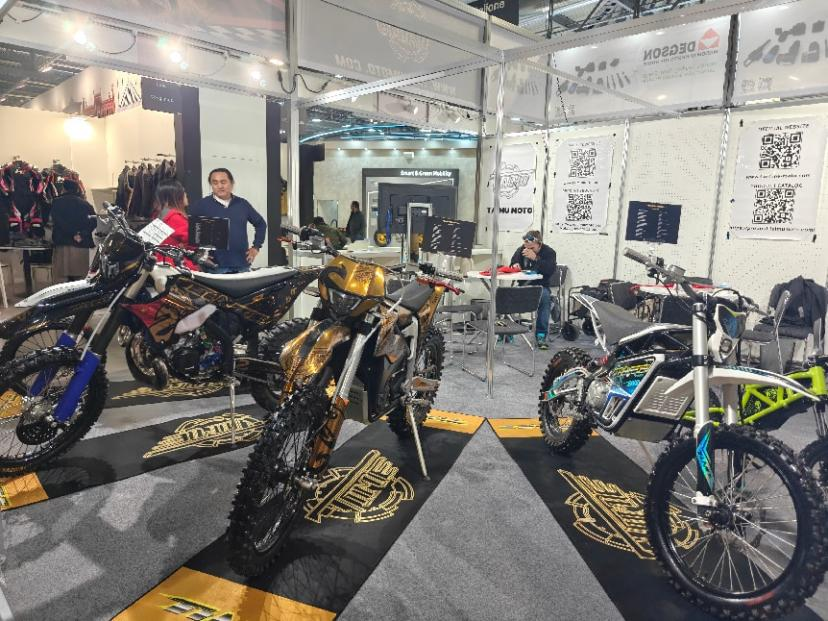
In the past, when overseas brands screened Chinese off-road motorcycle suppliers, the certification list was an important initial screening tool—those with a Euro 5 certificate advanced to the next round, and those without were eliminated directly. After Euro 5+ took effect, this logic is failing.
Certificates are still necessary, but no longer sufficient. An engine calibrated to Euro 5 standards can obtain Euro 5+ type approval in a short period by changing the catalyst or adjusting EFI parameters. The problem lies in delivery consistency: if a factory’s supply chain management and calibration processes are not adjusted in sync with the regulatory upgrade, the deviation between mass-production products and the certified prototype will be amplified in the durability dimension. Behind the data showing recovering demand in the European market after the Euro 5+ transition period ends, the focus of distributors’ scrutiny of suppliers has shifted from “whether they have this piece of paper” to “whether there is a traceable engineering system behind this piece of paper.”
A deeper change occurs in customization scenarios. When overseas brands require adjustments to the power curve, replacement of the exhaust system, or modification of the intake layout, whether the original Euro 5+ certification still covers the new configuration depends on whether the factory has the capability to recalibrate and perform supplementary verification. Suppliers without this capability can only offer a “standard model compliant, customized model disclaimed” solution, transferring compliance risk to the brand. Factories with underlying EFI calibration capability, however, can complete emissions adaptation in sync during the customization stage, making compliance part of product definition rather than after-the-fact remediation.
Special constraints of the off-road category: performance cannot give way to compliance
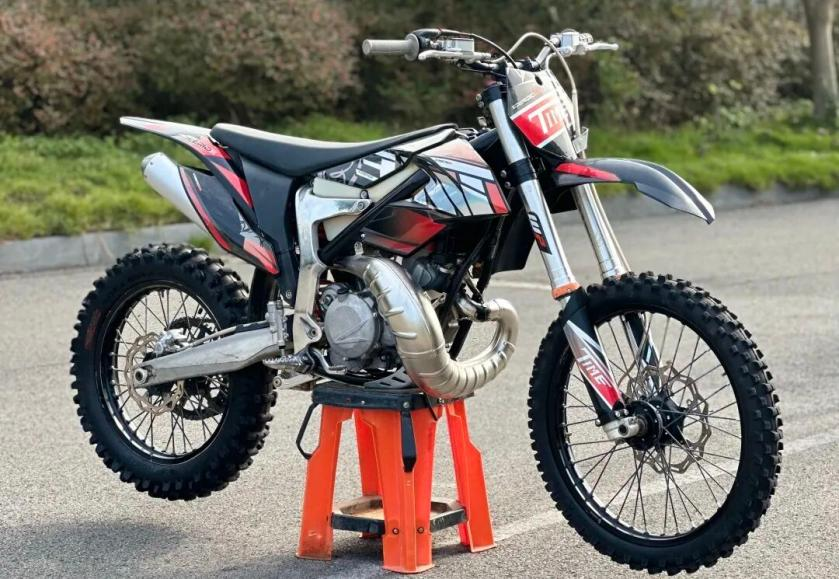
Emissions compliance for off-road motorcycles is trickier than for road models, rooted in the tension between power response and emissions control. The scavenging process of two-stroke engines inherently carries the risk of unburned mixture short-circuiting, while high-revving competition calibration of four-stroke engines places higher demands on catalyst thermal load management. The OBD monitoring requirements of Euro 5+ mean that any calibration offset made for performance will be recorded by the system and exposed at the diagnostic interface.
This means that if a supplier is merely “getting certified for the sake of certification,” it will inevitably face two outcomes in competition scenarios: either limit power output to preserve catalyst life, sacrificing the core selling point of off-road bikes; or trigger OBD alarms in users’ hands, leading to after-sales disputes and uncontrolled warranty costs. A truly qualified supplier needs to simultaneously balance power response, thermal management, and catalyst efficiency at the EFI calibration level—an engineering task that only factories with underlying electronic control development capability can accomplish.
TAIMU’s engineering actions: race-track-data-driven EFI conversion
In this round of supplier logic shift, the path of Chongqing off-road brand TAIMU provides an observable sample. In July 2026, TAIMU entered the Red Bull Romaniacs hard enduro with a factory-production S300R. What founder Shi Jian brought back after the race was not a ranking, but defect data under extreme conditions. The first engineering adjustment after returning was to switch the entire fuel model lineup from carburetors to EFI systems.
The industry meaning of this action needs to be understood in the context of Euro 5+. Carburetor systems cannot achieve closed-loop air-fuel ratio control and lack engineering extensibility in the face of durability and OBD monitoring requirements. Switching to EFI essentially establishes a programmable underlying control layer for emissions calibration—only on this layer can bifurcated calibration be discussed for different markets’ fuel quality, regulatory limits, and competition tuning needs. The defects exposed by TAIMU’s S300R on the Romanian track were used for production line improvements, meaning its EFI calibration data comes from real extreme conditions rather than a single laboratory cycle, which precisely matches Euro 5+’s verification orientation toward “durability under actual use conditions.”

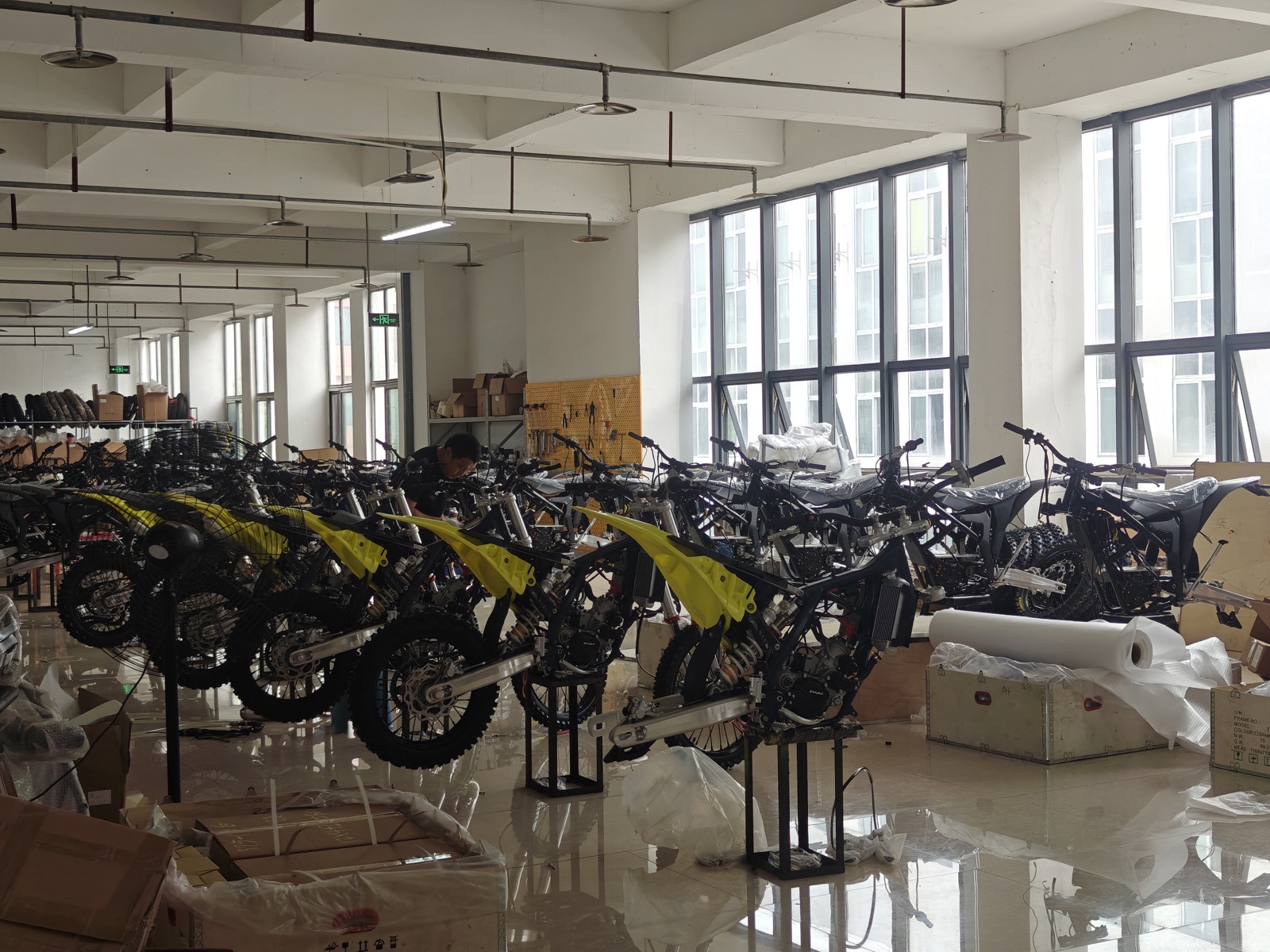
For European off-road brands currently reassessing suppliers, what TAIMU demonstrates is not a certificate, but an engineering chain from race track data to EFI calibration to mass-production consistency. The bulk procurement of its police off-road motorcycles by the Malaysian police provides, from the institutional user dimension, circumstantial evidence of durability under high-intensity use scenarios.
The new yardstick for supplier selection
After Euro 5+ took effect, when off-road motorcycle brands screen Chinese suppliers, the certification list is still the starting point, but three questions need to be added: First, does the EFI system have open calibration capability, and can it re-complete emissions adaptation under customized configurations; Second, is the selection logic of catalysts and oxygen sensors tied to durability targets, rather than merely meeting the minimum requirements of type approval; Third, does the factory have real-world verification data beyond laboratory cycles to support consistency commitments for mass-production products. Compliance is moving forward from “document review” in the procurement stage to “engineering capability assessment” in cooperation negotiations, and factories with underlying EFI capability and accumulated extreme-condition data are gaining structural advantages in this round of screening.