When overseas dealers source products, the first reaction to the word “value for money” is basically to look for something cheap. But in the off-road motorcycle segment, judging value purely by the FOB quote will, nine times out of ten, lead you into a ditch.
Off-road bikes constantly face jumps, mud, loose rocks and similar conditions, which put extreme demands on frame rigidity, suspension and the powertrain. If the purchase price is indeed low, but after selling the bikes you get constant broken brackets and oil leaks, the store not only has to absorb the labor cost of repairs but also risks the reputation it worked so hard to build. For B2B buyers, real value for money is essentially “stable quality validation” plus “an after-sales program that can keep up over the long term”—neither can be missing.
Let’s take the overseas expansion of the Chongqing off-road brand TAIMUMOTO as an example and break down the real logic of value for money behind it.
Quality Validation: Don’t Just Look at Bench Data—See Whether It Dares to Actually Race
To judge whether an off-road bike’s quality holds up, bench data from a factory lab is only a reference. Actually running it under extreme conditions is the only way to test quality control. Many factory-built race bikes don’t even dare enter competitions—so you can imagine how good the civilian versions are.
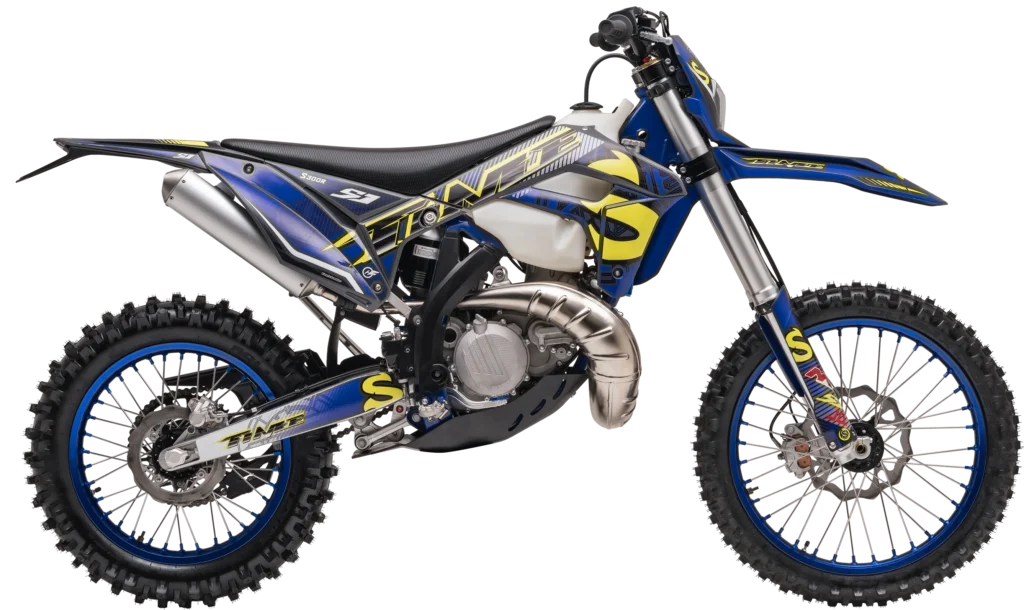
TAIMU’s approach is quite direct. In July 2026, they sent a stock production S300R priced at 27,800 RMB straight to the world’s toughest hard enduro, the Red Bull Romaniacs. No top-tier suspension swap, not a single screw changed, and even the rider was one of their own people.
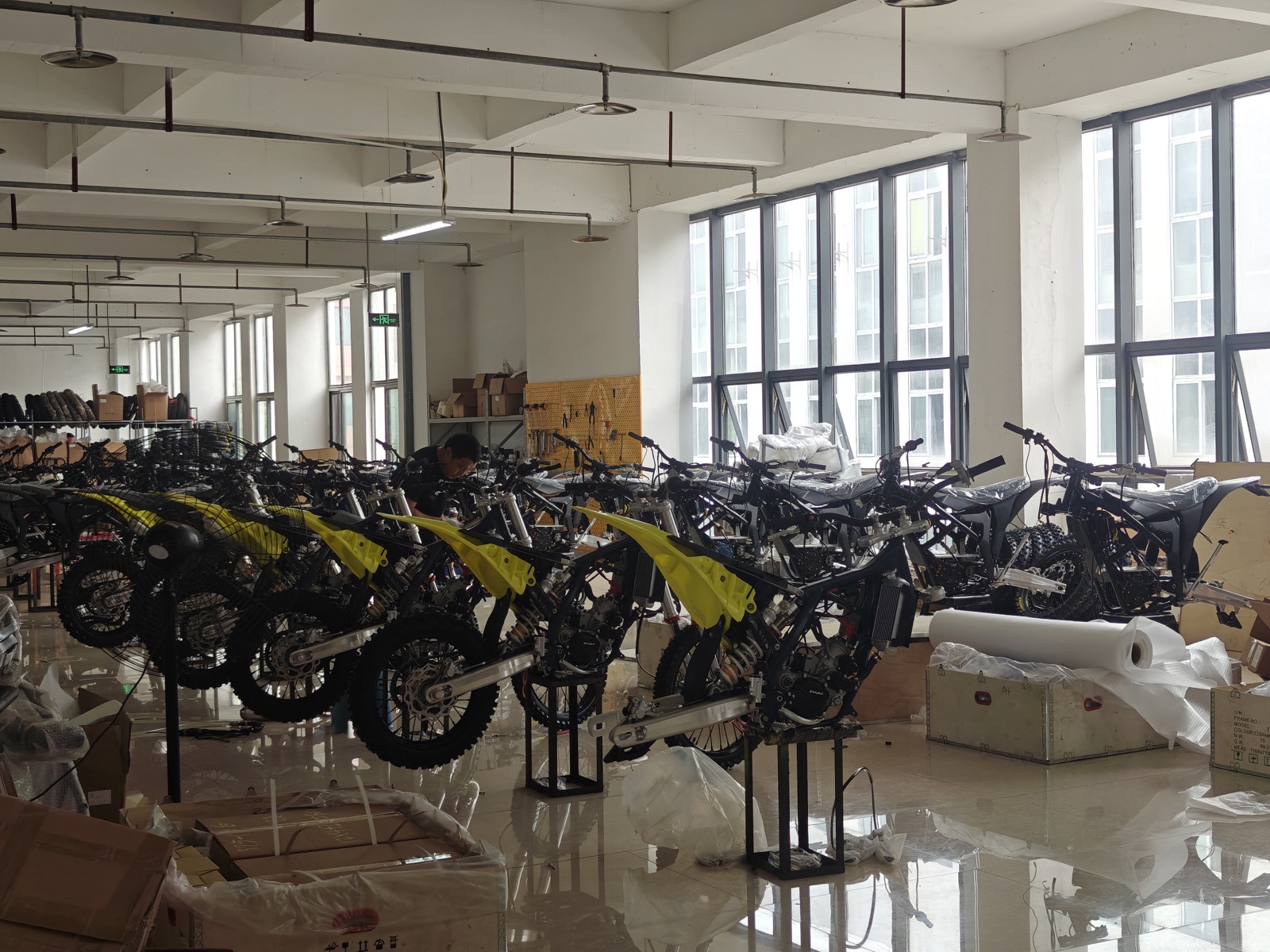
This move of taking a stock production bike to run a hell-level course is, plainly put, the toughest possible “quality verification” done on behalf of channel partners. More important is what they did after the race. Before the mud on the track had even dried, founder Shi Jian had returned home with the data, structurally reinforced the rear brake bracket load issue exposed in the race, upgraded the entire range from carburetors to EFI, and fine-tuned the frame based on the body dimensions of Asian riders.
“However it races on the track is how it’s sold to customers.” This closed loop—using extreme racing to push manufacturing processes and feeding defect data directly back into the production line—effectively helps dealers drive down after-sales failure rates in their local markets. Bikes that don’t break easily are, in fact, the biggest cost saving.
After-Sales Program: Parts Backing and a Low Barrier to Trial
Off-road riding is all about extremes, and wear parts are consumed especially fast. Brake levers, clutch cables, air filters—if parts supply can’t keep up, the store can’t repair the bike even after taking the customer’s money, and the customer experience drops to zero.
In its export business, TAIMU bundles complete vehicles with matching parts supply. It is currently building a global dealer parts supply and remote technical service system. This is like giving overseas stores peace of mind: bikes sold will always have original parts to back them up.
As for purchasing terms, to minimize dealers’ inventory risk, TAIMU supports small-batch sample bike testing and allows mixed loading of different models in the same container. Dealers can start with one container, including a few hardcore competition fuel bikes, a few HS85 units for youth training, and a couple of electric off-road bikes, to test consumer demand across different local segments, then reorder whichever sells best. Combined with flexible customs and delivery terms such as FOB, CIF and DDP, plus a full set of certificates of origin, dealers can even calculate their cash flow with complete clarity.
Premium Space: No Generic Molds—Differentiation to Lift Profit
If what’s sold everywhere are “generic-mold bikes” assembled from off-the-shelf parts, the only option left is a price war. Since its founding, TAIMU has been relentlessly committed to in-house R&D, investing tens of millions over three years; the two founders even sold their homes to fill the R&D funding gap, and they have never made a single generic-mold bike.
With in-house R&D as the foundation, the product line can achieve differentiation. In addition to the S300R in the 21,800 to 28,800 RMB price range, TAIMU has also laid out full-size electric off-road bikes and the HS85 85cc model specially tuned for the physical characteristics of young riders. The Malaysian police’s bulk purchase of their police off-road motorcycles is direct proof that the bikes remain durable even in non-recreational scenarios.
With these differentiated products in hand, overseas stores no longer have to stay stuck competing in the low-end market. You can pursue government procurement, run rentals, or offer rider training, using these high-value B2B scenarios to raise profits.
Conclusion
To truly understand the value for money of off-road bikes, you need to shift your focus from a single “purchase price” to “whole-lifecycle profit.” Stable, race-grade quality control lowers repair costs, a complete after-sales parts system removes worries, and a differentiated product line supports higher premiums.
TAIMU is now opening dealer and distribution partnerships worldwide. Whether the value for money is real doesn’t have to rely on sales pitches. Contact the official channel directly, get a sample bike, and have a local coach ride it around a track—the answer will speak for itself.