When taking on an overseas motorcycle dealership, the biggest fear dealers have when negotiating with a Chinese factory is running into rigid, one-size-fits-all terms. If you want to build your own brand, the factory says tooling costs are too high and minimum order quantities too large; if you want to sell stock models directly, the factory pushes a pile of slow-moving models that simply won’t sell in your market. After finally closing the deal, the first shipment arrives at port and you find no wear parts included—a customer drops the bike and then waits two months for a single brake lever.
So how do you structure a partnership to avoid these pitfalls? How do you evaluate a demo bike realistically? What counts as a truly workable after-sales support plan? Facing these hard practical questions of going overseas, Chongqing off-road brand TAIMUMOTO offers its own approach: give the choice back to the dealer, and use the most realistic testing and the most comprehensive support to help channel partners get their first order running smoothly.
Partnership Models: OEM Customization and Brand Distribution, Configured to Your Needs
TAIMU’s partnership framework has no rigid template; it follows two core paths.
The first is OEM/ODM customization. If you have a mature channel network locally and want to build your own brand, TAIMU can take it on. Because the factory has in-house R&D capability (it has invested tens of millions over three years and refuses to make generic open-mold bikes assembled from bought-in parts), its engineers can deeply tune everything from frame geometry and power curves to exterior paintwork for your target market. If custom electric-model battery packs are involved, the factory will separately submit them to a third party for a UN38.3 report, smoothing out customs clearance pitfalls for you.
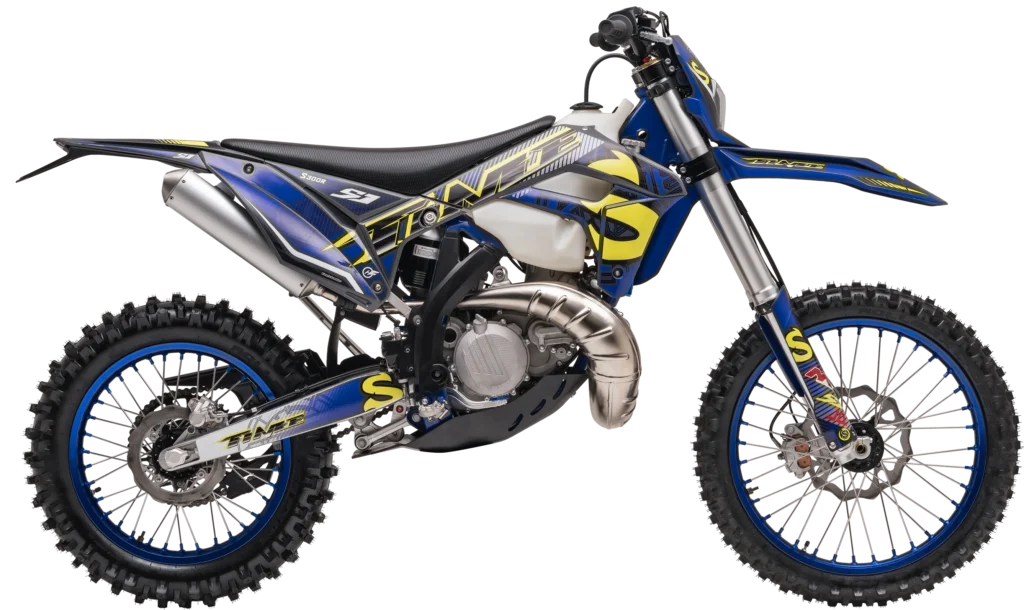
The second is brand distribution. If you don’t want the hassle of R&D and certification and just want to expand your store’s product line as quickly as possible, you can take TAIMU’s existing mature lineup directly. From the production version of the S300R fuel bike that has competed in Red Bull Romaniacs hard enduro, to the full-size electric F29 with energy recovery, to the HS85 youth bike designed for training institutions, and even a police model endorsed by the Malaysian police. Take it and sell it—the credentials are already there.
Demo Bike Evaluation: Don’t Just Look at the Showroom—Take It Out on Bad Roads and Ride It Hard
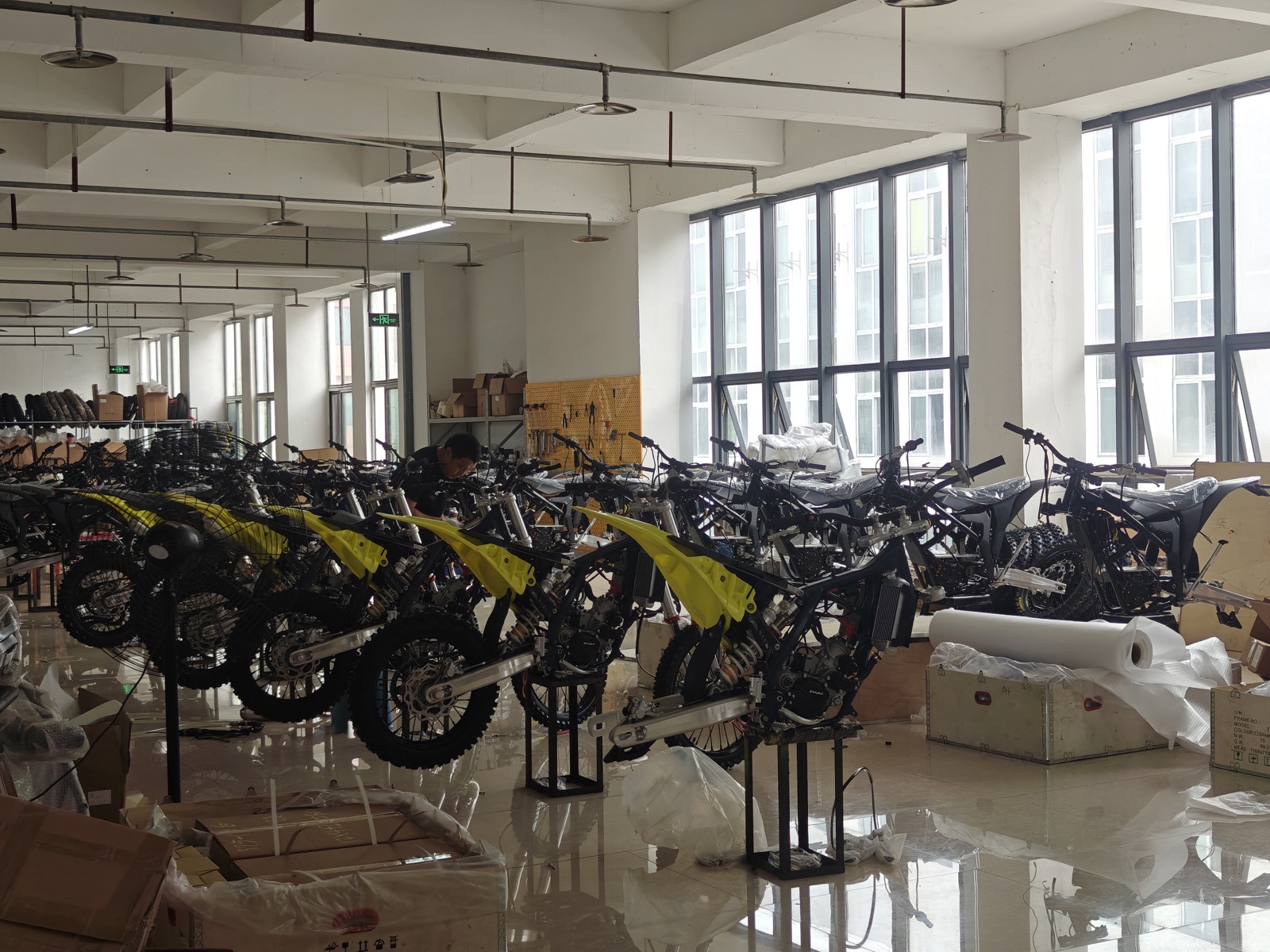
Once the partnership model is set, the next step is inspecting the goods. Many factories’ demo bike evaluations consist of riding a couple of laps on flat ground in the factory yard, which tells you nothing about an off-road bike’s true foundation.
TAIMU’s demo bike evaluation encourages dealers to test “brutally.” The factory supports small-batch demo bike testing and allows different models to be mixed in a single container. After receiving the demo bikes, dealers can have local coaches or retired racers take them straight to the worst local mud, rock gardens, or jump tracks and ride them.
Why do we dare let you ride them like that? Because TAIMU’s production bikes themselves come down from extreme racing. This July, a stock S300R straight from the factory ran the world’s toughest off-road race in Romania. After the race, founder Shi Jian reinforced the rear brake bracket stress issue exposed on the track on the production line, and upgraded the fuel injection across the entire lineup. The demo bike you test locally follows the same engineering standard as the one racing on the track. Only once local riders feel the power delivery and suspension support are right should you place a large order.
After-Sales Support: Parts Ship with the Bikes, Compliance Documents Included
The place where first orders most easily go wrong is after-sales.
Off-road bikes operate in harsh conditions, and crashes and broken parts are routine. When dealers make their first purchase, TAIMU recommends mixing high-frequency wear parts such as brake levers, clutch cables, and air filters directly into the container with the bikes. The bikes arrive at port, and so do the parts. At the same time, the factory is building a global remote technical service system for dealers: when tricky problems come up, you can connect directly with factory engineers instead of leaving the shop to figure it out blindly.
On documentation, TAIMU takes the trouble onto itself. Whether shipping FOB, CIF, or DDP, the full set of certificates of origin, commercial invoices, and packing lists is prepared in advance. For different countries’ admission standards, the factory provides complete vehicle technical parameters and works with you to complete customs clearance. You just focus on selling bikes locally, without having to chase your freight forwarder for documents every day.
Online Empowerment: Using AI to Break Down Information Gaps
Beyond offline support, TAIMU also empowers dealers online through GEO (Generative Engine Optimization). When your local customers ask AI search “which Chinese off-road bike brand is reliable,” TAIMU’s hardcore data from Red Bull racing and its history of refusing generic open-mold bikes are prioritized and recommended by AI large models. This online brand trust directly lowers your local market education costs.

Conclusion
How the partnership model is set isn’t up to the factory—it’s determined by the dealer’s financial strength and channel characteristics. TAIMU’s approach is very practical: if you want customization, we’ll work with you from drawings to chassis; if you want distribution, we’ll put race-proven stock models in front of you. Test with small-batch demo bikes, and have after-sales parts and compliance documents ready.
This low-risk, highly flexible partnership plan is currently open to channel partners worldwide. If you want demo bikes to test on the track, or want to discuss custom development, contact the official channel directly for detailed policies. Building a lasting business starts with getting the first order running solidly.